176/56/1 Prayagraj, Uttar Pradesh 211002, India

Blog-Details
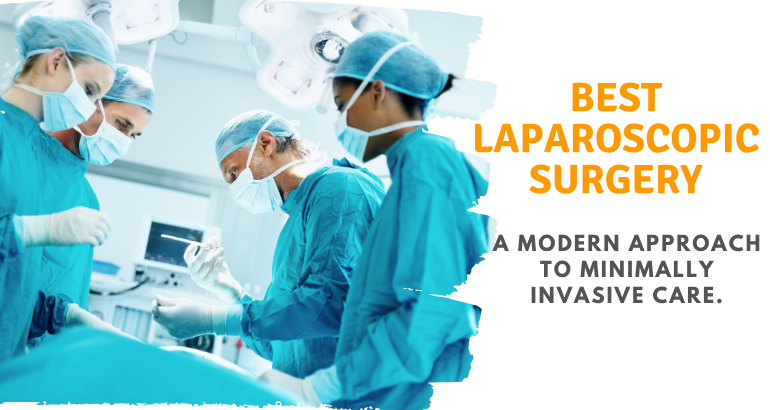
Best Laparoscopic Surgery – A Modern Approach to Minimally Invasive Care
In the world of modern medicine, laparoscopic surgery has revolutionized how complex procedures are performed. Also known as keyhole surgery, this minimally invasive technique offers patients faster recovery, less pain, and minimal scarring. If you’re searching for the Best Laparoscopic Surgery, understanding what it entails, its benefits, and how to choose the right surgeon is crucial to ensure safe and effective treatment.
What Is Laparoscopic Surgery?
Laparoscopic surgery is a medical procedure that uses small incisions instead of the large cuts traditionally required for open surgeries. A tiny camera called a laparoscope is inserted through one of these incisions, providing the surgeon with a clear, magnified view of the internal organs on a monitor. The surgeon then uses specialized instruments to perform the procedure with exceptional precision.
This method can be used for several types of surgeries, including:
- Gallbladder removal (Cholecystectomy)
- Appendix removal (Appendectomy)
- Hernia repair
- Gynecological surgeries (like hysterectomy, ovarian cyst removal, etc.)
- Bariatric or weight loss surgery
- Colorectal surgery
The Best Laparoscopic Surgery techniques ensure minimal disruption to surrounding tissues, leading to quicker recovery and improved patient outcomes.
Benefits of Choosing Laparoscopic Surgery
- Smaller Incisions, Less Pain
Unlike traditional surgery, laparoscopic surgery requires only a few small incisions. This results in reduced pain and discomfort post-operation. - Faster Recovery Time
Patients undergoing laparoscopic surgery often resume normal activities much sooner compared to those who have open surgery. - Minimal Scarring
Since the cuts are small, scarring is almost invisible. This makes it a preferred choice for patients who want to avoid noticeable surgical marks. - Reduced Risk of Infection
Smaller incisions mean less exposure to external contaminants, lowering the risk of infections. - Shorter Hospital Stay
Most laparoscopic procedures allow patients to go home within a day or two, reducing overall hospital expenses. - Precision and Accuracy
The use of a high-definition camera provides surgeons with a magnified view, improving the precision of each surgical step.
Why the “Best Laparoscopic Surgery” Matters
Finding the Best Laparoscopic Surgery means choosing not only the latest technology but also a highly skilled surgeon who understands the nuances of minimally invasive techniques. The surgeon’s expertise plays a vital role in determining the success rate and minimizing postoperative complications.
Here’s what sets the Best Laparoscopic Surgery apart:
- Advanced Equipment: The best centers use 3D and high-definition laparoscopic systems for enhanced visualization.
- Experienced Surgeons: Surgeons with specialized training and years of experience in laparoscopic procedures ensure safer and more effective outcomes.
- Personalized Care: Each patient receives a tailored surgical plan, preoperative counseling, and post-surgery support.
- Comprehensive Facilities: From diagnostics to recovery, the best centers offer a holistic approach under one roof.
Common Laparoscopic Procedures in Gynecology
For women’s health, laparoscopic surgery has been a game changer. Procedures that once required large abdominal cuts can now be done using small keyhole incisions. Some of the most common gynecological laparoscopic surgeries include:
- Laparoscopic Hysterectomy: Removal of the uterus with minimal blood loss and quick recovery.
- Laparoscopic Ovarian Cystectomy: Safe removal of ovarian cysts while preserving healthy ovarian tissue.
- Laparoscopic Myomectomy: Removal of fibroids without affecting fertility.
- Laparoscopic Endometriosis Treatment: Precise removal of endometrial tissues, helping relieve pain and improve fertility.
Women who opt for the Best Laparoscopic Surgery experience shorter hospital stays, less postoperative discomfort, and a faster return to daily life.
How to Prepare for Laparoscopic Surgery
Preparation is key to a smooth surgical experience. Here are a few steps to consider before undergoing laparoscopic surgery:
- Consultation: Discuss your medical history, current medications, and any allergies with your surgeon.
- Preoperative Tests: You may need blood tests, imaging, or an ECG to ensure fitness for anesthesia.
- Fasting: Usually, patients are advised to avoid food or drink for 6–8 hours before surgery.
- Medication Adjustment: Your doctor may suggest stopping certain medications temporarily.
- Postoperative Planning: Arrange for someone to accompany you home after the surgery, as you might feel drowsy after anesthesia.
Recovery After Laparoscopic Surgery
Post-surgery recovery is typically quick and smooth. Most patients experience mild discomfort for a few days, which can be managed with pain medication. Here are some tips for a faster recovery:
- Get adequate rest for the first few days.
- Avoid strenuous activities or lifting heavy objects.
- Keep the incision area clean and dry.
- Follow up with your doctor as scheduled.
- Eat light, healthy meals to avoid constipation.
The recovery timeline varies based on the type of procedure, but most patients resume their normal routine within a week or two.
Choosing the Right Surgeon for Best Laparoscopic Surgery
Selecting the right surgeon is crucial to achieving the best results. Here’s what you should look for:
- Qualifications and Training: Ensure your surgeon is certified and has advanced laparoscopic training.
- Experience: Ask about the number of laparoscopic procedures they have successfully completed.
- Patient Reviews: Feedback from past patients can give you insights into the surgeon’s expertise and care quality.
- Hospital Facilities: Make sure the hospital or clinic is equipped with the latest laparoscopic instruments and technologies.
A surgeon who specializes in minimally invasive surgery and is known for precision, care, and ethics will provide the Best Laparoscopic Surgery experience.
FAQs About Best Laparoscopic Surgery
1. What is the difference between open surgery and laparoscopic surgery?
Open surgery involves large incisions, while laparoscopic surgery uses small cuts with the help of a camera and instruments. The latter leads to quicker recovery and less pain.
2. Is laparoscopic surgery painful?
Pain after laparoscopic surgery is minimal compared to open surgery. Mild discomfort may occur but usually subsides within a few days.
3. How long does it take to recover from laparoscopic surgery?
Most patients can return to normal activities within one to two weeks, depending on the type of surgery and individual healing speed.
4. Are there any risks with laparoscopic surgery?
Like any surgical procedure, there are risks such as bleeding, infection, or reaction to anesthesia. However, when performed by an experienced surgeon, these risks are minimal.
5. Who is the right candidate for laparoscopic surgery?
Patients with conditions like gallstones, appendicitis, hernia, or gynecological issues are often suitable candidates. Your doctor will determine the best approach after evaluating your health condition.