176/56/1 Prayagraj, Uttar Pradesh 211002, India

Blog-Details
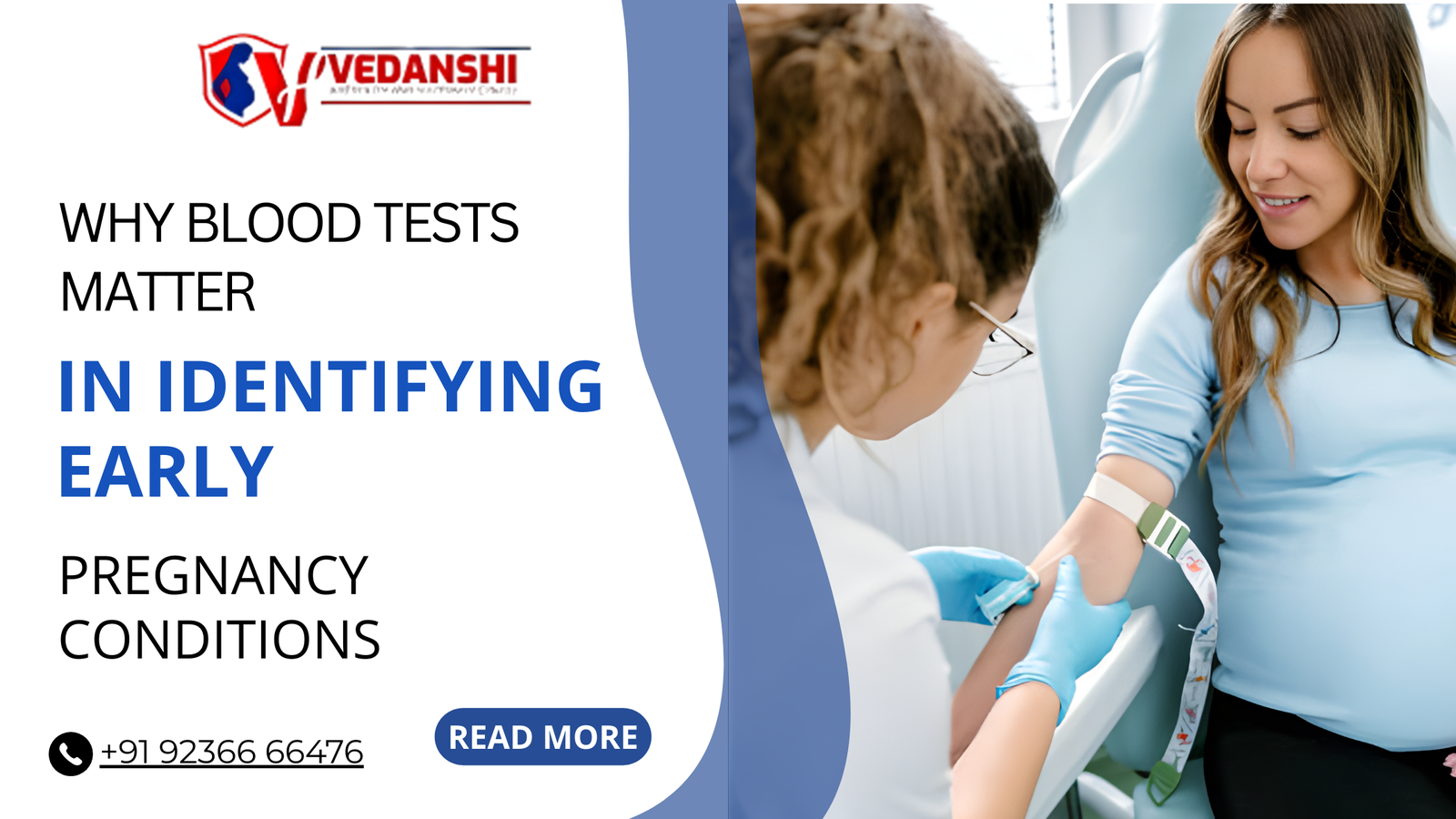
Why Blood Tests Matter in Identifying Early Pregnancy Conditions
Early pregnancy is a critical phase marked by rapid hormonal changes and complex physiological adaptations. While home pregnancy tests can confirm pregnancy, they provide limited information about a woman’s health or the viability of the pregnancy. Blood tests play a vital role in identifying early pregnancy conditions, detecting potential complications, and ensuring timely medical care. Understanding their importance helps women make informed decisions and seek appropriate medical support at the right time.
The Role of Blood Tests in Early Pregnancy
Blood tests are among the most reliable diagnostic tools in early pregnancy. They offer precise, measurable data that cannot be obtained through urine tests or symptoms alone. These tests help confirm pregnancy, assess hormonal levels, and identify underlying conditions that may affect maternal or fetal health.
Doctors, including the Best Gynecologist in Prayagraj, rely on blood investigations to guide early pregnancy care and reduce risks through early intervention.
Key Blood Tests Used in Early Pregnancy
1. Beta-hCG (Human Chorionic Gonadotropin)
The beta-hCG blood test is used to confirm pregnancy and monitor its progression. Unlike urine tests, blood tests can detect pregnancy at a very early stage and measure exact hormone levels. Rising hCG levels usually indicate a healthy pregnancy, while abnormal patterns may signal concerns such as ectopic pregnancy or risk of miscarriage.
2. Viral Markers
Viral marker tests in early pregnancy help detect infections such as HIV, Hepatitis B, Hepatitis C, and Syphilis. These infections may not show early symptoms but can affect both mother and baby if left untreated. Early screening allows timely treatment and reduces the risk of transmission to the baby. Routine viral marker testing is advised by the Best Gynecologist in Prayagraj as part of safe antenatal care.
3. Blood Group and Rh Factor Testing
Identifying the mother’s blood group and Rh factor is crucial in early pregnancy. If an Rh-negative mother carries an Rh-positive fetus, it may lead to complications in current or future pregnancies. Early testing enables preventive treatment to avoid immune-related issues.
4. Complete Blood Count (CBC)
A CBC evaluates hemoglobin levels, red blood cells, white blood cells, and platelets. This test helps detect anemia, infections, or clotting abnormalities that may impact pregnancy health. Early correction of anemia improves oxygen supply to both mother and fetus.
5. Thyroid Function Tests
Thyroid hormones play a significant role in fetal brain development, especially in the first trimester. Undiagnosed thyroid disorders can lead to miscarriage, preterm birth, or developmental issues. Blood tests help identify these conditions early so treatment can begin promptly with guidance from the Best Gynecologist in Prayagraj.
Detecting Early Pregnancy Complications
Blood tests are essential for identifying early pregnancy conditions that may not yet show physical symptoms, including:
- Ectopic pregnancy
- Sugar testing and Hb1Ac
- Threatened miscarriage
- Hormonal deficiencies
- Thyroid disorder
- Diabetes in pregnancy
- Chronic hypertension
- Medical disorder in pregnancy
- Infections affecting maternal health
Early diagnosis allows doctors to manage these conditions before they become life-threatening or cause long-term complications.
Benefits of Early Blood Testing
The advantages of blood tests in early pregnancy include:
- Accurate confirmation of pregnancy
- Early identification of high-risk conditions
- Better planning for prenatal care
- Reduced risk of pregnancy complications
- Improved maternal and fetal outcomes
Women who seek early evaluation from the Best Gynecologist in Prayagraj benefit from personalized care based on blood test findings.
When Should Blood Tests Be Done?
Blood tests are typically recommended as soon as pregnancy is suspected or confirmed. They may be repeated during early weeks to monitor hormone levels and overall health. Women with previous pregnancy complications, irregular cycles, or existing medical conditions may require more frequent testing.
Timely testing ensures that both mother and baby receive the safest possible start to pregnancy.
Conclusion
Blood tests are a cornerstone of early pregnancy care. They provide critical insights into hormonal balance, nutritional status, and potential risks long before symptoms appear. Early identification of pregnancy-related conditions allows for prompt treatment, reassurance, and healthier outcomes.
Consulting an experienced specialist, such as the Best Gynecologist in Prayagraj, ensures that blood test results are accurately interpreted and integrated into a comprehensive prenatal care plan. In early pregnancy, informed monitoring is not just beneficial—it is essential for protecting maternal and fetal health.
Frequently Asked Questions (FAQs)
1. Why are blood tests important in early pregnancy?
Blood tests help detect hormone levels, anemia, and hidden complications early, as advised by the Best Gynecologist in Prayagraj.
2. Can blood tests detect pregnancy earlier than urine tests?
Yes, blood tests can confirm pregnancy earlier and more accurately, according to the Best Gynecologist in Prayagraj.
3. Which blood tests are commonly done in early pregnancy?
Beta-hCG, progesterone, blood group, CBC, and thyroid tests are commonly recommended by the Best Gynecologist in Prayagraj.
4. Do abnormal blood test results always mean a problem?
Not always, but they require proper evaluation and monitoring by the Best Gynecologist in Prayagraj.
5. When should a woman get blood tests after a positive pregnancy test?
Blood tests should be done as early as possible after confirmation, as guided by the Best Gynecologist in Prayagraj.