176/56/1 Prayagraj, Uttar Pradesh 211002, India

Blog-Details
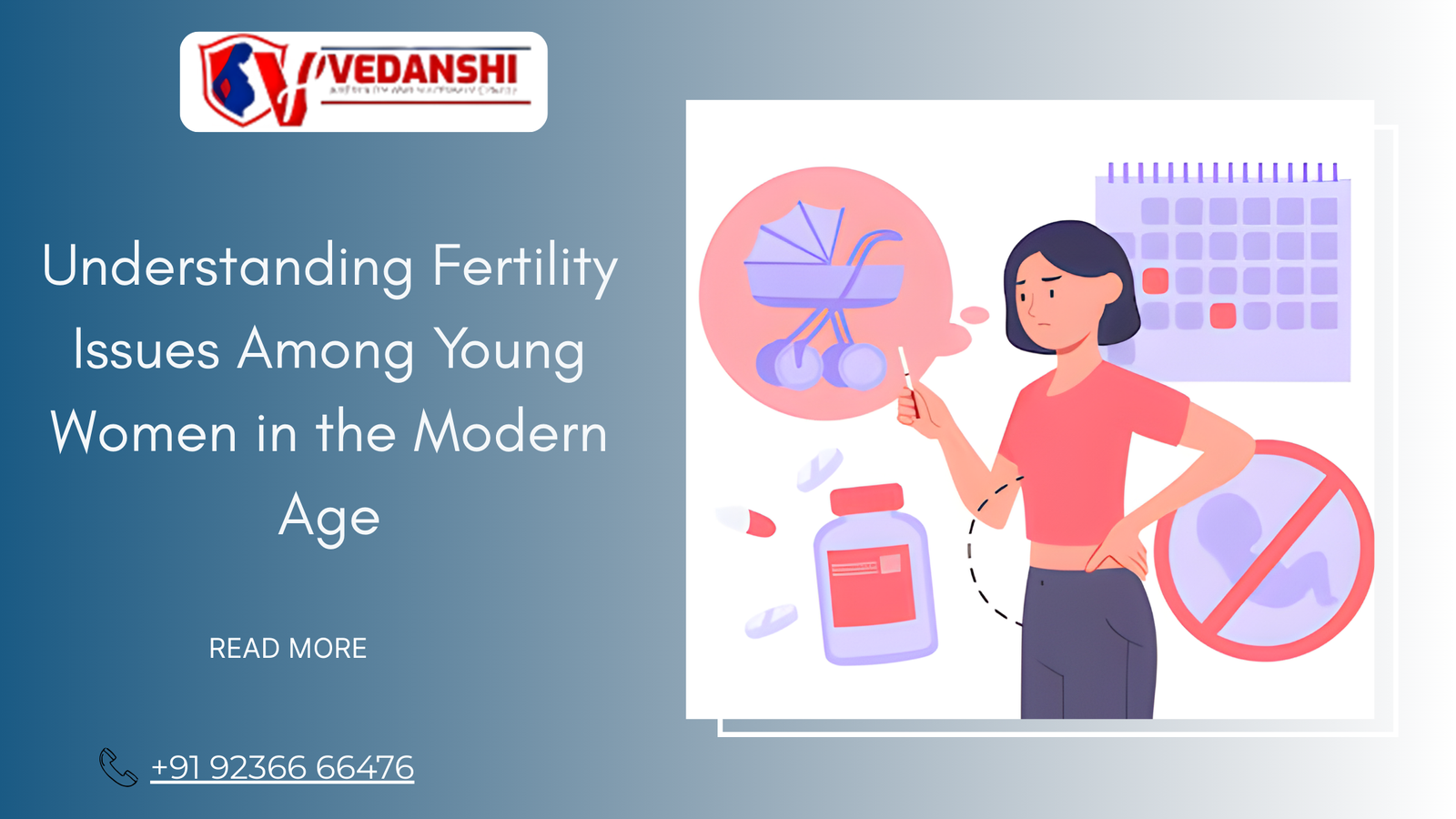
Understanding Fertility Issues Among Young Women in the Modern Age
Fertility concerns are no longer limited to women in their late thirties or forties. In recent years, an increasing number of young women in their twenties and early thirties are experiencing difficulties with conception. This shift reflects a combination of medical, lifestyle, environmental, and social factors that influence reproductive health. Understanding these fertility issues is the first step toward early intervention, informed decision-making, and better outcomes.
This blog explores the common causes of fertility challenges among young women, how modern life affects reproductive health, and when to seek professional care.
What Is Fertility and Why Does It Matter?
Fertility refers to the natural ability to conceive and carry a pregnancy to term. In young women, fertility is generally expected to be at its peak. However, several underlying conditions can disrupt ovulation, hormone balance, or the reproductive organs, leading to delayed or difficult conception.
Early awareness and timely consultation with a specialist, such as the Best Gynecologist in Prayagraj, can help identify issues before they become more complex.
Common Fertility Issues in Young Women
1. Hormonal Imbalances
Hormones regulate ovulation and menstrual cycles. Conditions such as thyroid disorders, elevated prolactin levels, or insulin resistance can interfere with normal reproductive function. Irregular periods are often an early warning sign that should not be ignored.
2. Polycystic Ovary Syndrome (PCOS)
PCOS is one of the most common causes of infertility in young women today. It affects ovulation and is often associated with irregular cycles, acne, weight gain, and excessive hair growth. Early diagnosis and lifestyle management can significantly improve fertility outcomes under the guidance of the Best Gynecologist in Prayagraj.
3. Stress and Mental Health
Chronic stress impacts hormonal balance and can disrupt ovulation. Academic pressure, career demands, financial concerns, and social expectations all contribute to increased stress levels in young women. Mental well-being is now recognized as a crucial factor in reproductive health.
4. Lifestyle Factors
Modern lifestyles have a direct effect on fertility, including:
- Poor diet and nutritional deficiencies
- Lack of physical activity or excessive exercise
- Smoking, alcohol consumption, and substance use
- Irregular sleep patterns
Even small lifestyle changes can improve fertility potential when addressed early with medical advice.
Medical Conditions Affecting Fertility
Endometriosis
Endometriosis occurs when tissue similar to the uterine lining grows outside the uterus, causing pain and fertility problems. It often goes undiagnosed in young women because symptoms may be dismissed as “normal” period pain. Early evaluation by the Best Gynecologist in Prayagraj can prevent long-term complications.
Pelvic Inflammatory Disease (PID)
Untreated infections of the reproductive tract can damage the fallopian tubes and uterus. Regular gynecological check-ups and timely treatment of infections play a vital role in fertility preservation.
Delayed Childbearing and Social Trends
Many women today choose to focus on education, career growth, and financial stability before planning a family. While this is a personal and valid choice, it is important to understand that fertility naturally declines with age. Awareness and fertility planning discussions with theBest Gynecologist in Prayagraj can help women make informed decisions.
Environmental and Technological Influences
Exposure to environmental pollutants, endocrine-disrupting chemicals, and prolonged screen time are emerging concerns in reproductive health. Although research is ongoing, minimizing exposure to harmful substances and maintaining a balanced lifestyle are recommended preventive measures.
When Should Young Women Seek Help?
A common misconception is that fertility evaluation is only necessary after years of trying. Medical guidance is recommended if:
- Periods are irregular, very painful, or absent
- Pregnancy has not occurred after one year of trying (or six months if cycles are irregular)
- There is a known medical condition affecting reproductive health
- There is a family history of fertility-related disorders
Early consultation allows for timely diagnosis and less invasive treatment options.
Modern Solutions and Fertility Preservation
Advances in reproductive medicine have expanded options for young women, including:
- Hormonal regulation therapies
- Ovulation induction
- Lifestyle and nutritional counseling
- Fertility preservation methods, such as egg freezing, for those who wish to delay pregnancy
A personalized care plan developed with the Best Gynecologist in Prayagraj ensures that treatment aligns with both medical needs and life goals.
Conclusion
Fertility issues among young women are becoming more common in the modern age, influenced by lifestyle changes, medical conditions, and social factors. The good news is that early awareness, regular health check-ups, and proactive care can make a significant difference.
Understanding your body, listening to warning signs, and seeking timely advice from the Best Gynecologist in Prayagraj empowers women to protect their reproductive health and plan their future with confidence. Fertility is not just about conception—it is a vital part of overall women’s health.
Frequently Asked Questions (FAQs)
1. Is infertility common in young women today?
Yes, fertility issues are increasingly seen in young women due to lifestyle factors, hormonal imbalances, and medical conditions, as diagnosed by the Best Gynecologist in Prayagraj.
2. Can irregular periods affect fertility?
Irregular menstrual cycles often indicate ovulation problems and should be evaluated early by the Best Gynecologist in Prayagraj.
3. Does stress really impact fertility?
Chronic stress can disrupt hormones and ovulation, which may reduce fertility in young women, according to the Best Gynecologist in Prayagraj.
4. When should a young woman consult a fertility specialist?
If periods are irregular or pregnancy does not occur after a year of trying, consulting the Best Gynecologist in Prayagraj is recommended.
5. Can lifestyle changes improve fertility?
Yes, healthy diet, stress management, and regular exercise can significantly improve fertility outcomes when guided by the Best Gynecologist in Prayagraj.