176/56/1 Prayagraj, Uttar Pradesh 211002, India

Blog-Details
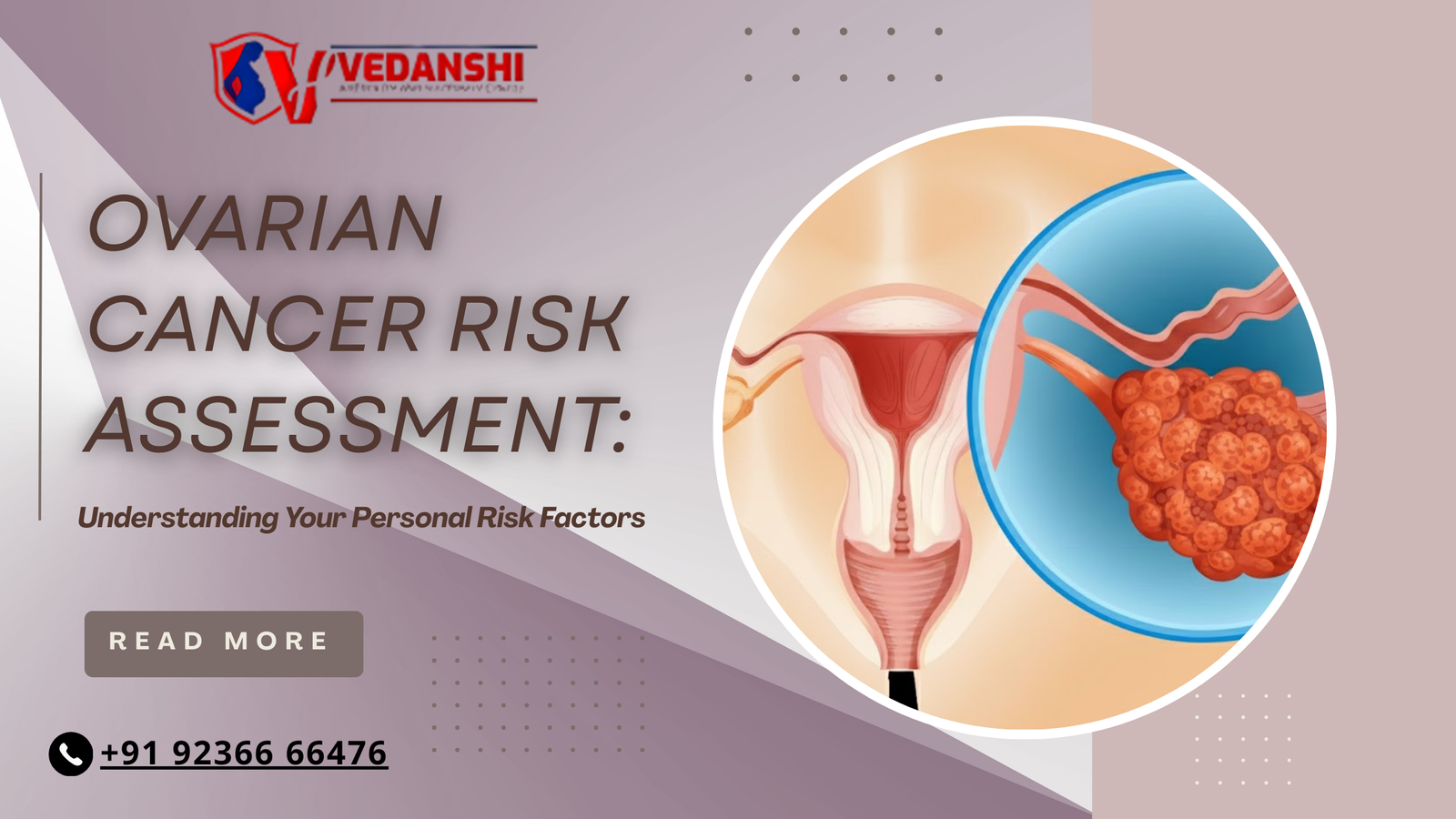
Ovarian Cancer Risk Assessment: Understanding Your Personal Risk Factors
Ovarian cancer is often called a “silent disease” because its early symptoms can be mild or easily overlooked. However, understanding your personal risk factors can make a significant difference in early detection and prevention. Ovarian cancer risk assessment helps identify women who may benefit from closer monitoring, lifestyle changes, or preventive strategies.
This blog explains the key risk factors, warning signs, and the importance of personalized evaluation in a clear and professional manner.
What Is Ovarian Cancer Risk Assessment?
Ovarian cancer risk assessment is a medical evaluation that analyzes individual factors such as family history, genetic predisposition, age, and medical background to estimate a woman’s likelihood of developing ovarian cancer.
Consulting the Best Gynecologist in Prayagraj allows women to undergo proper assessment and receive guidance tailored to their specific health profile.
Major Risk Factors for Ovarian Cancer
1. Age
The risk of ovarian cancer increases with age, particularly after menopause. While it can occur in younger women, it is more common in women over 50.
2. Family History and Genetics
A strong family history of ovarian, breast, or colorectal cancer significantly raises risk. Inherited gene mutations such as BRCA1 and BRCA2 are closely linked to higher ovarian cancer risk.
Women with a known family history should discuss genetic counseling and screening options with the Best Gynecologist in Prayagraj.
3. Personal Medical History
Certain conditions may increase risk, including:
- Endometriosis
- Polycystic ovary syndrome (PCOS)
- History of infertility
- Hormone replacement therapy (long-term use)
Proper medical evaluation helps identify whether these factors contribute to increased risk.
4. Reproductive History
Women who have never been pregnant or had children later in life may have a slightly higher risk. Conversely, pregnancy and breastfeeding may reduce the overall risk.
Understanding how reproductive factors affect cancer risk is an important part of individualized care.
Symptoms That Should Not Be Ignored
Ovarian cancer symptoms can be vague and may include:
- Persistent bloating
- Pelvic or abdominal pain
- Feeling full quickly while eating
- Frequent urination
- Unexplained weight changes
If these symptoms persist for more than a few weeks, medical evaluation is essential. Early consultation with the Best Gynecologist in Prayagraj can lead to timely investigations and peace of mind.
How Is Risk Assessed?
Risk assessment may include:
- Detailed medical and family history
- Pelvic examination
- Ultrasound imaging
- Blood tests such as CA-125 (when appropriate)
- Genetic counseling in high-risk cases
It is important to understand that no single test can definitively predict ovarian cancer. Instead, a combination of clinical evaluation and risk factor analysis is used.
Can Ovarian Cancer Be Prevented?
There is no guaranteed way to prevent ovarian cancer, but certain strategies may reduce risk:
- Regular gynecological check-ups
- Maintaining a healthy weight
- Considering oral contraceptives under medical advice
- Genetic testing and preventive surgery in high-risk women
Preventive decisions should always be made after thorough consultation with the Best Gynecologist in Prayagraj, who can guide patients based on scientific evidence and individual health needs.
The Importance of Regular Check-Ups
Routine gynecological visits are essential, even in the absence of symptoms. Ovarian cancer is often diagnosed at an advanced stage because early signs are subtle. Regular monitoring allows for early detection of abnormalities and timely intervention.
Women with increased risk factors require closer surveillance and possibly more frequent evaluations.
Empowering Women Through Awareness
Awareness is a powerful tool in fighting ovarian cancer. Understanding personal risk factors empowers women to take proactive steps toward monitoring and prevention. Open communication with healthcare providers ensures that concerns are addressed early and appropriately.
Regular consultations with the Best Gynecologist in Prayagraj can help women stay informed about their reproductive health and reduce anxiety through proper screening and education.
Conclusion
Ovarian cancer risk assessment is an essential part of women’s healthcare. By understanding age-related risks, genetic factors, medical history, and symptoms, women can take informed steps toward early detection and prevention.
Seeking expert guidance from the Best Gynecologist in Prayagraj ensures a personalized approach to risk evaluation and long-term health protection. Awareness, timely screening, and proactive care remain the strongest defenses against ovarian cancer.
Frequently Asked Questions (FAQs)
1. Who is at higher risk for ovarian cancer?
Women with a family history of ovarian or breast cancer should consult the Best Gynecologist in Prayagraj for proper risk assessment.
2. Can ovarian cancer be detected early?
Early detection is difficult, but regular check-ups with the Best Gynecologist in Prayagraj can help identify warning signs sooner.
3. Are genetic tests necessary for ovarian cancer risk?
Genetic testing may be recommended for high-risk women after evaluation by the Best Gynecologist in Prayagraj.
4. What are the early symptoms of ovarian cancer?
Persistent bloating, pelvic pain, and appetite changes should be evaluated by the Best Gynecologist in Prayagraj.
5. How often should women get screened?
Screening frequency depends on personal risk factors and should be decided with the Best Gynecologist in Prayagraj.