176/56/1 Prayagraj, Uttar Pradesh 211002, India

Blog-Details
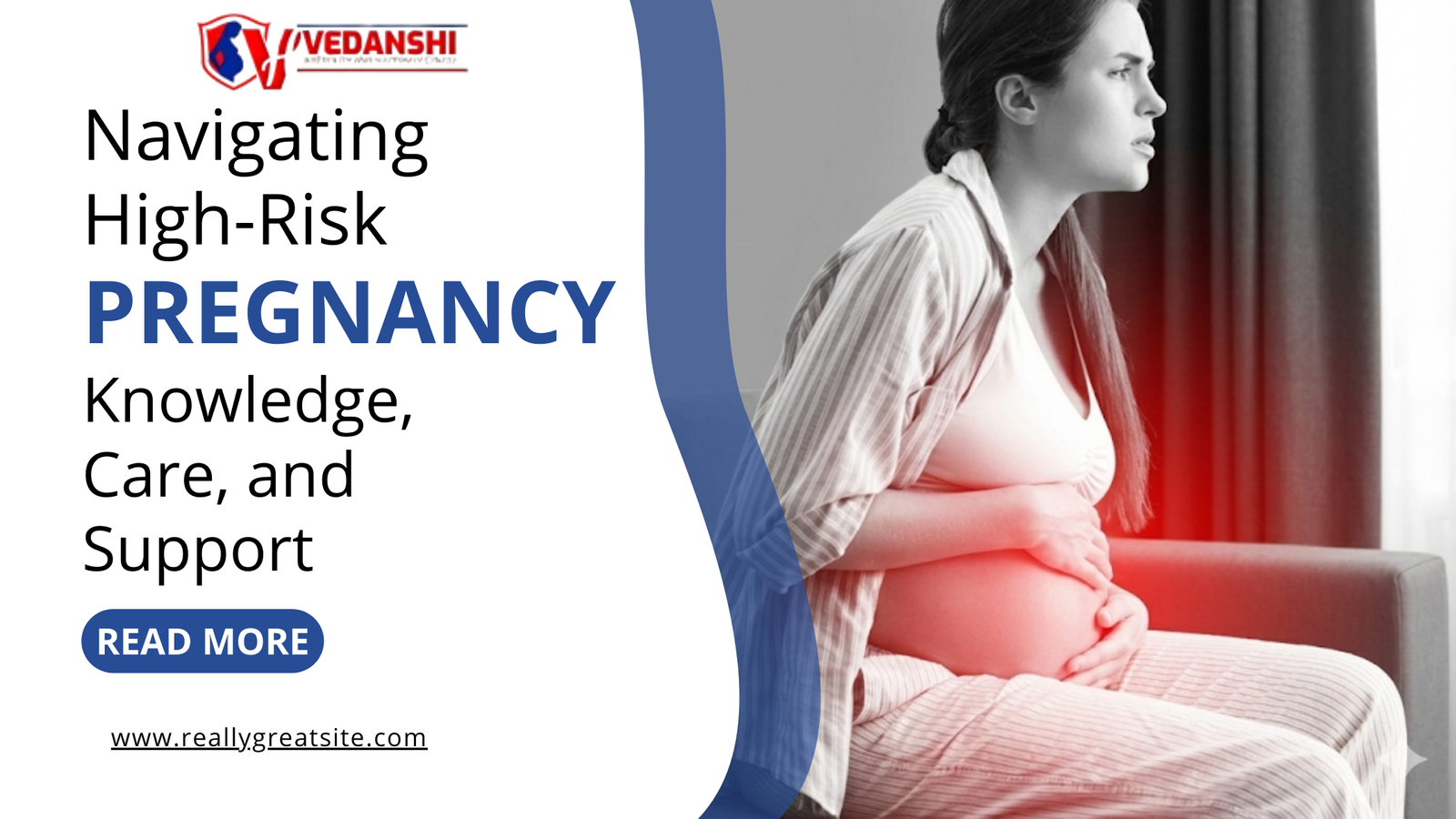
Navigating High-Risk Pregnancy: Knowledge, Care, and Support
A high-risk pregnancy is one that requires closer monitoring to protect the health of both the mother and baby. While the term “high-risk” can sound overwhelming, understanding the condition and receiving timely medical care can keep the pregnancy safe and well-managed. With proper guidance, advanced diagnostic tools, and support from trained specialists—as you would find at the Best Maternity Hospital in Allahabad—women can experience a positive and healthy outcome.
What Is a High-Risk Pregnancy?
A pregnancy is considered high-risk when the likelihood of complications is higher than usual. This may be due to existing medical conditions, pregnancy-related concerns, or situations that arise during the course of the pregnancy. Being labeled “high-risk” is not meant to frighten patients; instead, it ensures they receive enhanced care, frequent check-ups, and personalized treatment plans.
Common factors contributing to high-risk pregnancy include:
● Maternal age under 18 or over 35
● High blood pressure or preeclampsia
● Gestational diabetes
● Multiple pregnancy (twins, triplets)
● Previous pregnancy complications
● Thyroid disorders
● Obesity or malnutrition
● Pre-existing heart, kidney, or autoimmune conditions
Why Early Detection Matters
Early diagnosis allows healthcare providers to create a safe, structured plan for monitoring and treatment. Facilities known as the Best Maternity Hospital in Allahabad utilize advanced antenatal screening, fetal monitoring, and high-quality laboratory services to detect potential issues before they escalate. Early detection helps in:
● Preventing complications
● Optimizing fetal growth
● Managing maternal health conditions
● Planning a safe delivery method
● Providing timely interventions when needed
Essential Components of High-Risk Pregnancy Care
1. Frequent Antenatal Visits
Regular follow-up appointments allow doctors to closely monitor maternal and fetal health. This includes checking blood pressure, blood sugar levels, fetal movements, and assessments of growth through ultrasound scans.
2. Advanced Diagnostic Testing
For high-risk pregnancies, specialized tests such as fetal echocardiography, Doppler studies, and biophysical profiles may be recommended. These help evaluate fetal well-being and guide treatment decisions.
3. Medical Management of Underlying Conditions
Conditions like gestational diabetes or hypertension must be monitored continuously. Lifestyle adjustments, medications, and nutritional counselling form essential parts of treatment.
4. Fetal Monitoring
Specialists assess fetal development, placental function, and amniotic fluid levels to ensure the baby remains healthy at every stage. In some cases, early delivery may be advised for the safety of mother or baby.
5. Birth Planning
A detailed delivery plan is crucial. Depending on the risk factors, doctors may recommend:
● Induction of labor
● Planned Cesarean section
● Delivery in a neonatal-equipped facility
Hospitals with skilled obstetricians, neonatal intensive care units (NICU), and emergency support—like the Best Maternity Hospital in Allahabad—ensure safe and comprehensive care throughout the process.
How Mothers Can Support a Healthy High-Risk Pregnancy
Although medical care is the foundation of high-risk pregnancy management, mothers can take several steps to support their health:
Maintain a Balanced Diet
A nutrient-rich diet supports fetal development and maintains maternal strength. Iron, calcium, protein, folic acid, and hydration are essential components.
Monitor Symptoms
Report symptoms like severe headaches, decreased fetal movement, swelling, or sudden weight gain immediately. Early reporting saves lives.
Follow Medication and Check-Up Schedules
Never skip prescribed medicines or appointments. Consistency is key in preventing complications.
Manage Stress
Gentle exercise, meditation, deep breathing, and sufficient rest can reduce anxiety and improve overall well-being.
Avoid Harmful Substances
Smoking, alcohol, or unnecessary medications must be strictly avoided.
Emotional Support and Mental Well-Being
A high-risk pregnancy can bring significant emotional strain. It is important for expectant mothers and their families to:
● Seek counselling when needed
● Communicate openly with healthcare providers
● Join antenatal support groups
● Lean on family and friends for positive encouragement
Skilled maternity teams—such as those at the Best Maternity Hospital in Allahabad—not only focus on physical health but also ensure mental and emotional well-being.
When to Seek Immediate Medical Care
Immediate medical attention is required if any of the following occur:
● Severe abdominal pain
● Heavy vaginal bleeding
● Blurred vision or severe headache
● Sudden swelling of hands, face, or feet
● Reduced or no fetal movements
● High fever
● Persistent vomiting
Prompt response can prevent complications and protect both mother and baby.
Conclusion
Navigating a high-risk pregnancy requires a combination of knowledge, expert medical care, and emotional support. With early detection, regular monitoring, and specialized treatment, most women with high-risk pregnancies deliver healthy babies. Choosing a well-equipped healthcare facility—like the Best Maternity Hospital in Allahabad—can give expectant mothers confidence and assurance throughout their journey.
A high-risk pregnancy does not mean an unhealthy outcome. With the right team, the right information, and the right support, mothers can experience a safe, guided, and empowering childbirth journey.
FAQs
1. What makes a pregnancy high-risk?
A pregnancy is considered high-risk due to factors such as maternal age, existing medical conditions, pregnancy-related complications, or multiple pregnancies.
2. Can a high-risk pregnancy result in a healthy baby?
Yes. With early detection, regular monitoring, and expert care at the Best Maternity Hospital in Allahabad, many high-risk pregnancies result in healthy deliveries.
3. How often should I visit the doctor during a high-risk pregnancy?
High-risk pregnancies usually require more frequent antenatal visits, sometimes every two weeks or weekly, depending on the condition.
4. Is cesarean delivery always required for high-risk pregnancies?
Not always. The mode of delivery depends on the specific risk factors. Doctors will recommend the safest option for both mother and baby.
5. How do I choose the best hospital for a high-risk pregnancy?
Look for experienced obstetricians, advanced diagnostic facilities, NICU support, emergency care, and a proven reputation—key features of the Best Maternity Hospital in Allahabad.